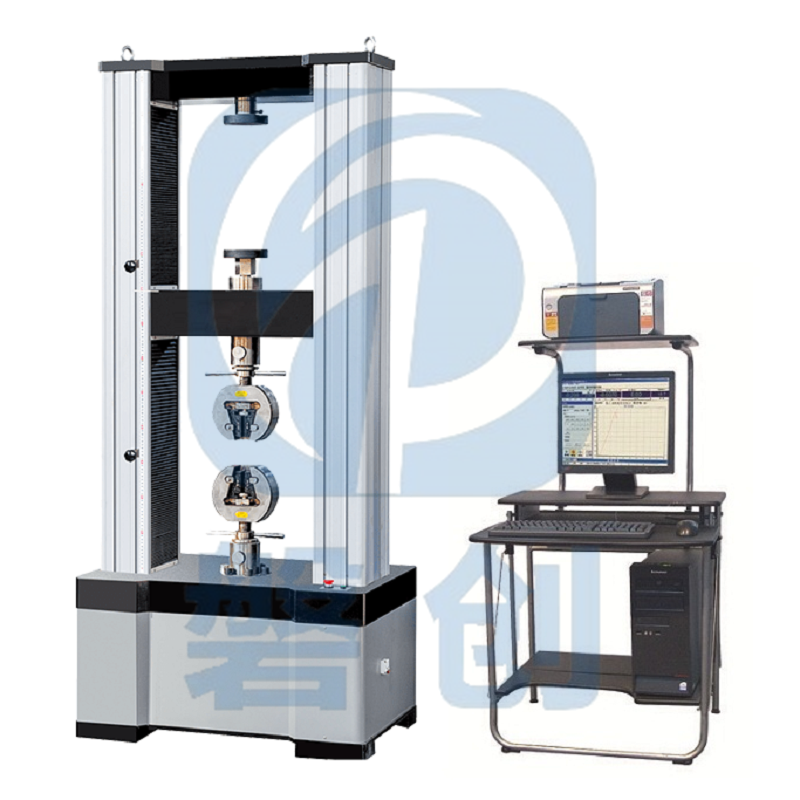
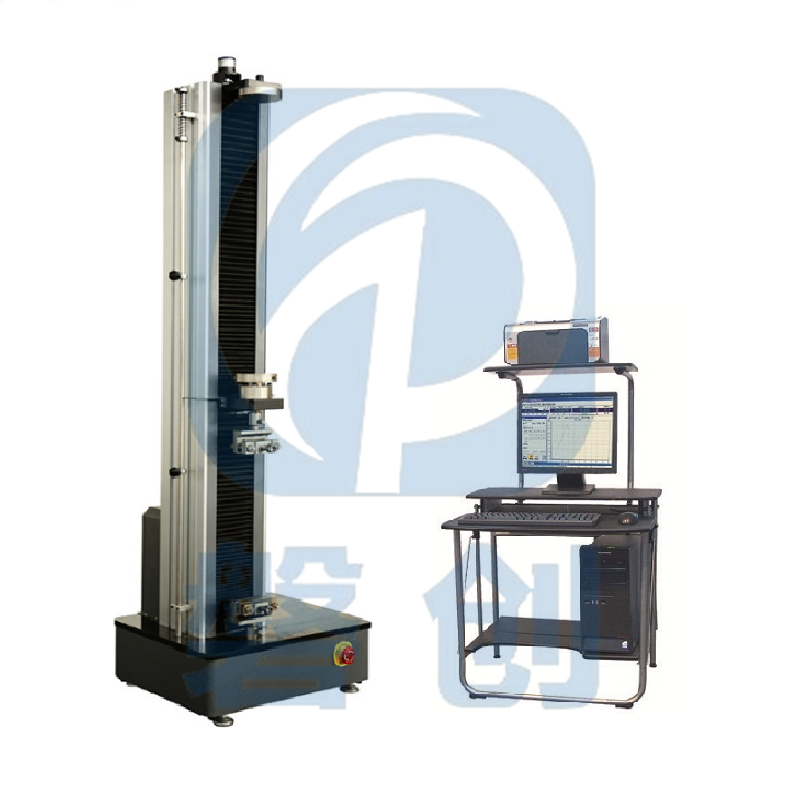
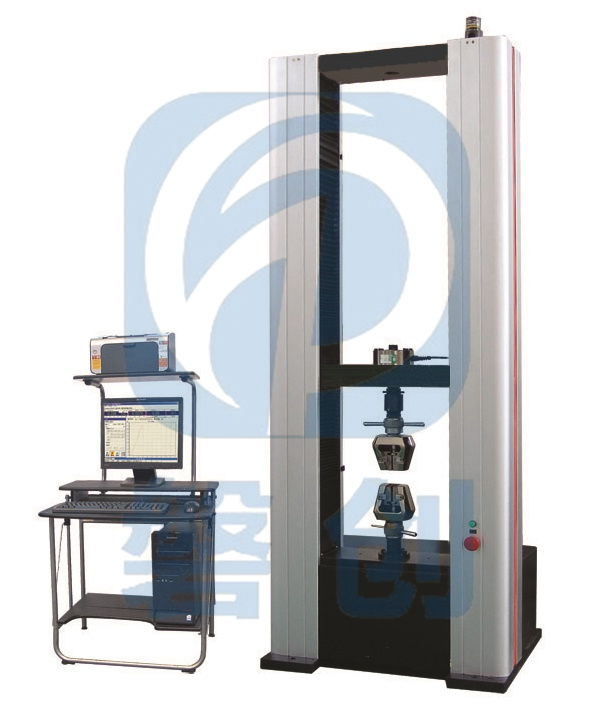
Tensile testing machines are also commonly known as material testing machines or universal testing machines. They are precision testing instruments that use mechanical force to conduct tensile, compressive, bending, shearing, peeling and other mechanical property tests on materials. They are widely used in various industries and are indispensable testing equipment for material development, physical property tests, teaching and research, quality control, incoming material inspection, and random inspection on production lines. The classification methods of tensile testing machines are as follows:
1. According to the degree of automation
1) Pointer-type tensile testing machine: This traditional type of tensile testing machine has been largely phased out by digital display tensile testing machines due to its low testing accuracy and low cost performance. However, within the range of small forces, it is the tensiometer we commonly see, which is often used by factories for simple force tests on small products. Due to its low price, it is still quite popular.
2) The digital display tensile testing machine is also known as the microcomputer tensile testing machine: the test data is directly displayed on the LCD screen, and the test items are relatively fixed. It is often used for quality control in factories.
3) Computerized tensile testing machine: It is the most versatile tensile testing machine. As the test data is collected by a computer and then processed through software programs to obtain the final data desired by the user, it can also be printed out in the form of reports. It is often used in scientific research institutions, testing agencies, new product development, etc.
2. According to the control system
1) Variable frequency system tensile testing machine: It adopts a variable frequency motor control system, and the tensile and compressive speeds are controlled by a variable frequency speed regulator.
2) Servo system tensile testing machine: It adopts a servo motor control system, ensuring more accurate control of tensile and compressive speeds as well as displacements. The servo motor system is a servo control system that adopts intelligent feedback operation and can perform constant-speed testing, cyclic testing, programming testing, etc.
3) Other drive type tensile testing machines: Controlled by DC motors, tensile testing machines of this drive type have been gradually phased out due to their low cost performance.
3. According to industry and functional characteristic
1) Metal tensile testing machine: Metal materials have high tensile strength and low elongation, so a metal marking extensometer needs to be configured.
2) Rubber tensile testing machine: Rubber or elastomers have a relatively large elongation rate, so a large mark elongation device is required. At the same time, the fixture design should take into account the characteristics of rubber and prevent slippage. It can be equipped with O-ring fixtures, fixtures for the tire industry, etc.
3) Plastic tensile testing machine: The tensile strength of plastic is greater than that of rubber, and its elongation varies. Moreover, three-point bending tests are often required.
4) Textile tensile Testing machine: The textile industry requires tests such as fabric peel, puncture, tear, and single yarn tensile tests. The fixtures and software are rather special.
5) Paper tensile testing machine: Paper needs to be tested for tensile strength, ring crush strength, vertical crush, flat crush, edge crush, peel strength, etc., and there are many fixtures.
6) Leather tensile testing machine: Leather needs to be tested for tensile strength, tear strength, etc. The test items are relatively simple.

 中文
中文
 English

 0086-531-55581629
 133 3518 9161
 jnpctest@163.com
 No.12111, Jingshi road, Lixia district, Jinan city, China.
